

Auto Transport Broker vs Carrier: Who Does What
Almost every car shipment involves two companies: the one you book with and the one that owns the truck. Sometimes they are the same company. More often they are not. Knowing which is which tells you who to call, whose insurance applies and what to check before you pay anything.
Explore our open car transport service, or request a free car shipping quote for your route.
What a carrier does
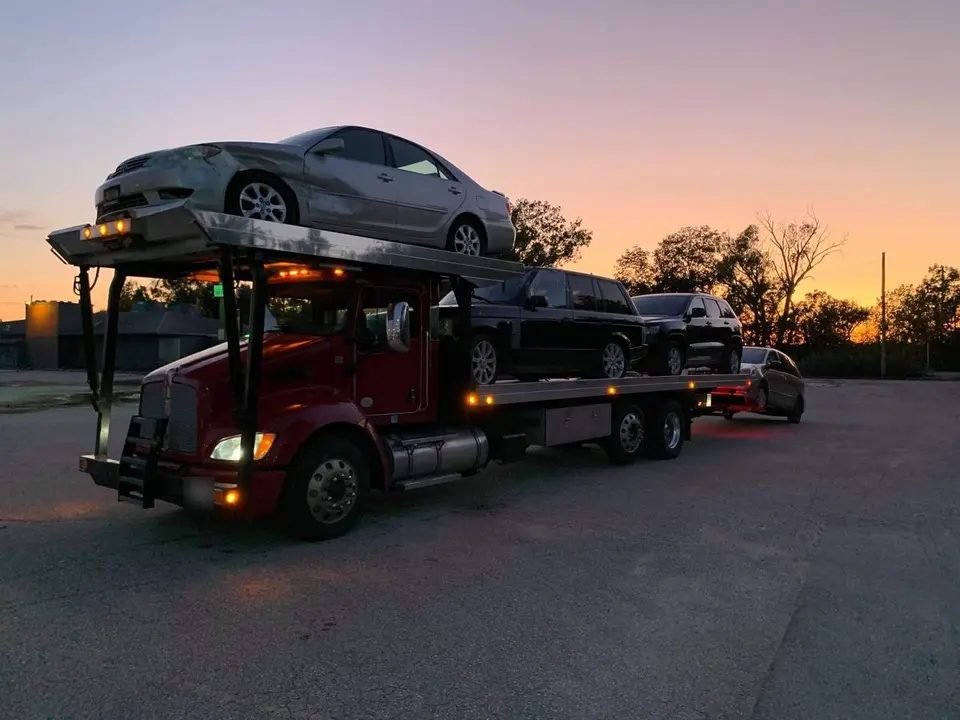
A motor carrier owns or leases the trucks and employs or contracts the drivers. It is the company that physically loads, hauls and delivers your vehicle. A carrier needs operating authority from the Federal Motor Carrier Safety Administration (FMCSA) to haul vehicles across state lines, and it carries the cargo insurance that covers the vehicles on its trailer.
Many car haulers are small businesses, often owner-operators with one truck or a few. They tend to run the same corridors again and again, which is efficient for them and means no single carrier covers every route.
What a broker does
A broker does not move the car. It arranges the shipment: it takes your details, finds a carrier that runs your route on your dates, agrees the terms and stays in the middle to coordinate pickup and delivery. Brokers need their own FMCSA registration, and federal rules require a broker to say that it is a broker instead of presenting itself as a trucking company.
Cross State Auto Transport is a broker. We arrange your shipment with an independent carrier, tell you who that carrier is, and remain your point of contact until the car is delivered.
Who is responsible for your car
While the vehicle is on the truck, the carrier is responsible for it, and the carrier's cargo insurance is what responds to damage in transit. The Bill of Lading, signed at pickup and again at delivery, is the record a claim relies on.
The broker's job is to place the shipment with an insured carrier and to help if something goes wrong: getting you the carrier's insurance details, the paperwork and a response.
Why most people end up using a broker
You can book a carrier directly if you find one that runs your exact route on your dates. For many routes that is hard to do as an individual, because carriers mostly fill their trailers through load boards and broker relationships, not consumer advertising.
- A broker can reach many carriers for one route
- You have one contact instead of chasing a driver on the road
- If a truck breaks down or cancels, a broker can look for a replacement
- Booking a carrier directly removes the middle step, if that carrier serves your route
How to check either one
The same few checks work whether you are dealing with a broker, a carrier or a company that is both:
- Ask whether the company is a broker, a carrier or both, and get the answer in writing
- Ask for its USDOT or MC number and look it up on the FMCSA website
- Ask which carrier will move the car, and for that carrier's insurance certificate
- Read the terms on deposits, cancellation and what happens if no carrier is found
- Keep your copy of the Bill of Lading from pickup and from delivery
Keep reading on Cross State
- How It Works: Our process from quote to delivery.
- How to Choose a Car Transport Company: Nine checks before you pay.
- Insurance: How coverage works while your car is in transit.
- Start a Quote: Tell us your route, vehicle and dates.
The carrier moves the car and insures it on the truck. The broker finds the carrier and manages the shipment. Know which one you are dealing with, and check both.
Get my quote →